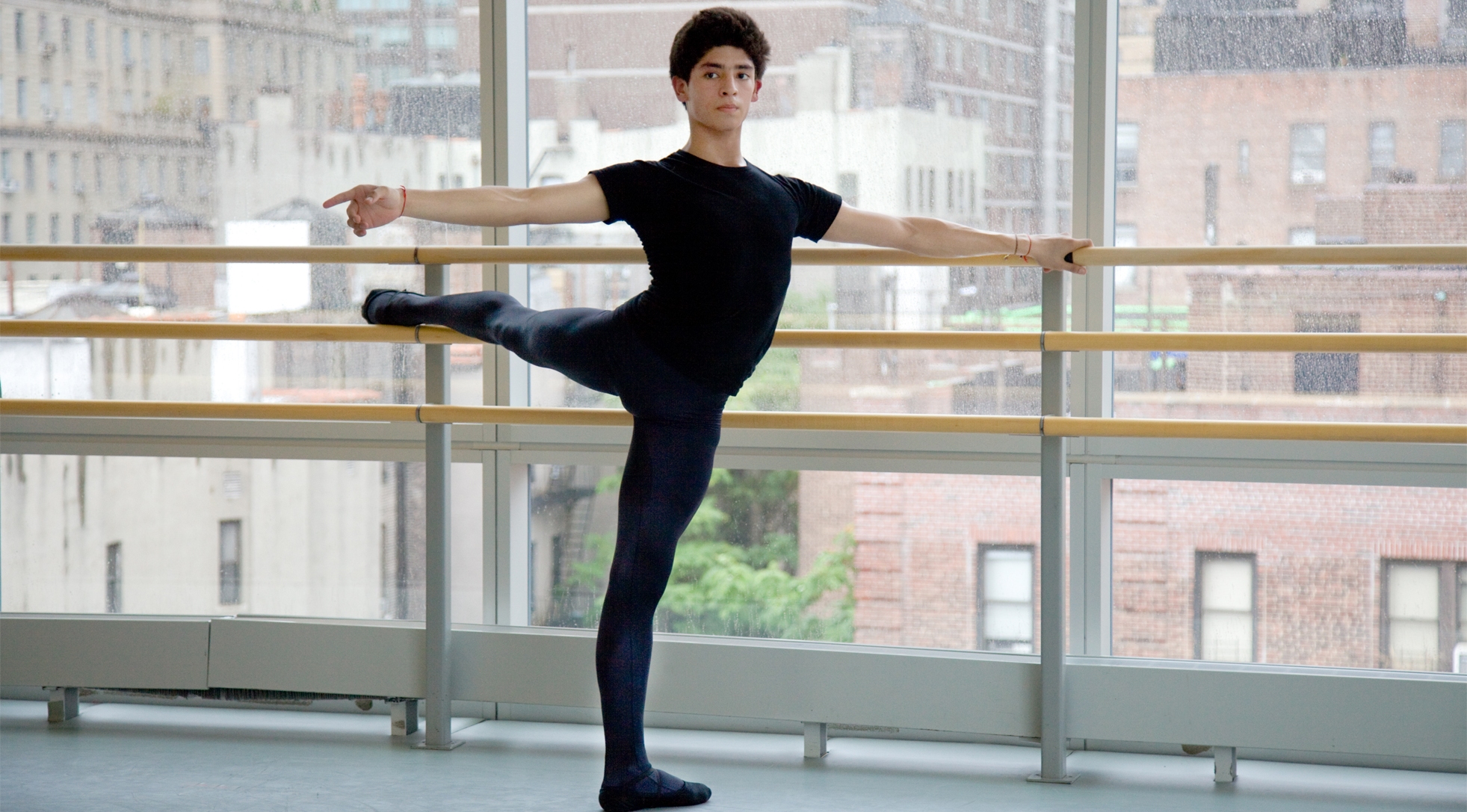
Ballet is hard enough to watch adults perform, yet “First Position” is a documentary about children on the hunt for dance glory. Although the film is a cookie cutter effort showing absolutely no interest in a visual personality of its own, the subject remains engrossing, following a group of aspiring ballet performers as they march to an unknown future, contending with aching bodies, overbearing parents, and astonishingly gifted competition. Actual dance almost feels like an afterthought to the picture, which finds more life holding on the participants, soaking up their individual stories of ambition and adversity as they inch closer to a seemingly unattainable dream.
Miko Fogarty is a young girl with big ballet aspirations, finding assistance and fixation from her mother, Satoku, who happily supports her drive to greatness. Michaela DePrince is an adoptee from Sierra Leone who’s come into her own as a ballerina, leaving behind the horrors of war for a life of study and grace. Rebecca Houseknecht is a self-proclaimed “princess” who’s passed on cheerleading for ballet, blessed with good looks and a responsive body, eager for the spotlight. Aran Bell is a boy with exceptional ballet skill, growing into a champion in his tender age group. And Joan Sebastian Zamora has left his native Columbia to develop his ballet ability in New York City, fighting off waves of homesickness for a chance to make his dreams come true. While daily practice and concentration helps to shape their expertise, the dancers look to the Youth American Grand Prix for a chance to showcase themselves in front of judges, hoping for scholarships and, for a few of these performers, a shot at joining a working ballet company.
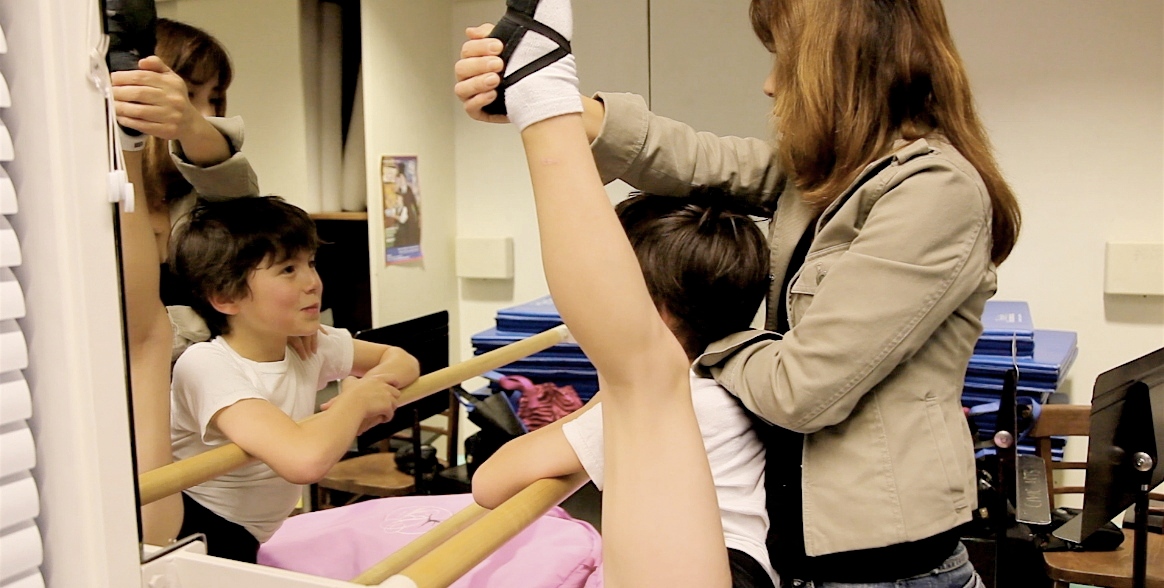
For anyone who’s been attending their fair share of documentaries over the last decade, “First Position” is going to feel awfully familiar. Using the “Spellbound” template, director Bess Kargman sets out to capture the intimate lives of these dancers, stepping into their homes and paging through their history to achieve a greater understanding of personal drive, employing the Grand Prix as a climatic tool where everything we’ve learned about the gang is put to the test. Without an original vision, the effort tends to drag as it works through its formulaic investigation, making obvious points about parental sacrifice (the ballet addiction is extraordinarily expensive) and childlike ambition, with each subject happily sharing their hopes and fears for the camera, while Kargman balances the stories without much in the way of flair. It’s not that “First Position” is dull, it simply lacks cinematic innovation, tackling the subject without a fervor that matches the theatrics of the dance and the charisma of the stars.
Most interesting is a look underneath the veneer of performance, coming across kids and teens placing severe strain on their bodies. Michaela is used as a prime example of a young dancer facing the end of her career the moment it’s about to take off, hobbled by an sore Achilles’ Tendon that she’s determined to ignore. Feet are blistered and burned, but the show must go on, and we see the intense training required to fashion a ballerina, with all of the subjects spending endless hours practicing with demanding coaches, basically erasing their social lives to achieve stage perfection. Although Aran refreshingly appears in touch with his youthful sense of motion, captured on various scooters and skateboards to what I’m guessing is the complete horror of his parents.
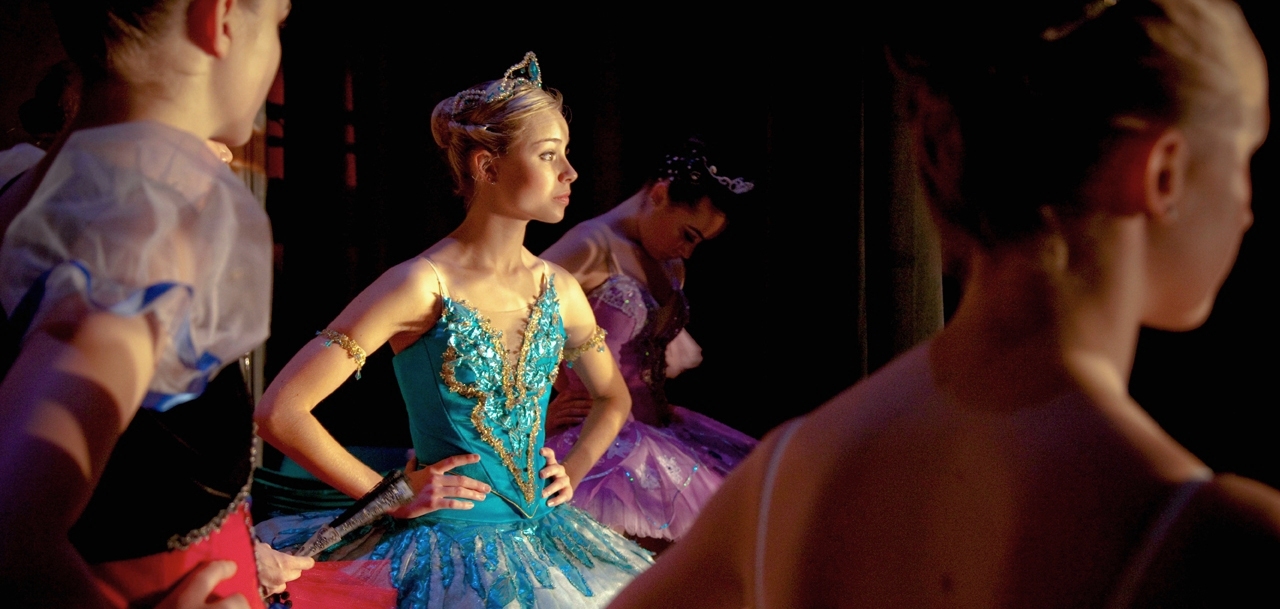
“First Position” visits Columbia to grasp Joan’s love of family, studies Satoku as she moves from a devoted parent to a Tiger Mom cliché, and observes the numerous rounds of dance that make up the Grand Prix. Unfortunately, Kargman plays favorites, editing the privileged Houseknecht into a fool, while less economically fortunate subjects are fitted for halos. “First Position” almost loses its sense of good taste entirely in the final act, straining to build suspense and shape heroes. The bias hangs a little ugly in an otherwise passable, somewhat enlightening effort.
B-
 BRIAN ORNDORF
Leave a comment